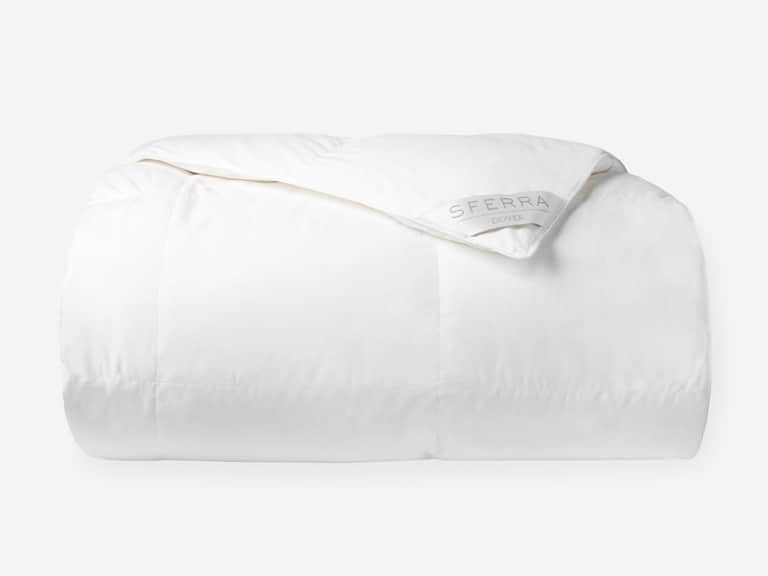
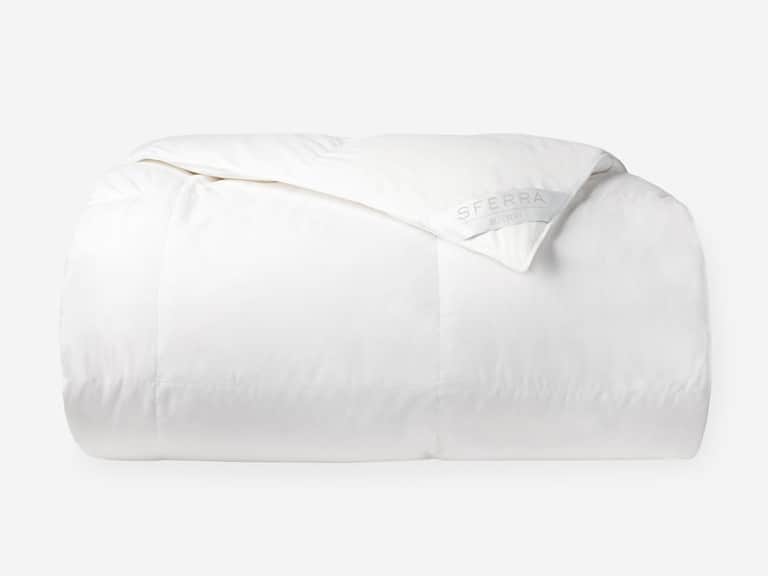
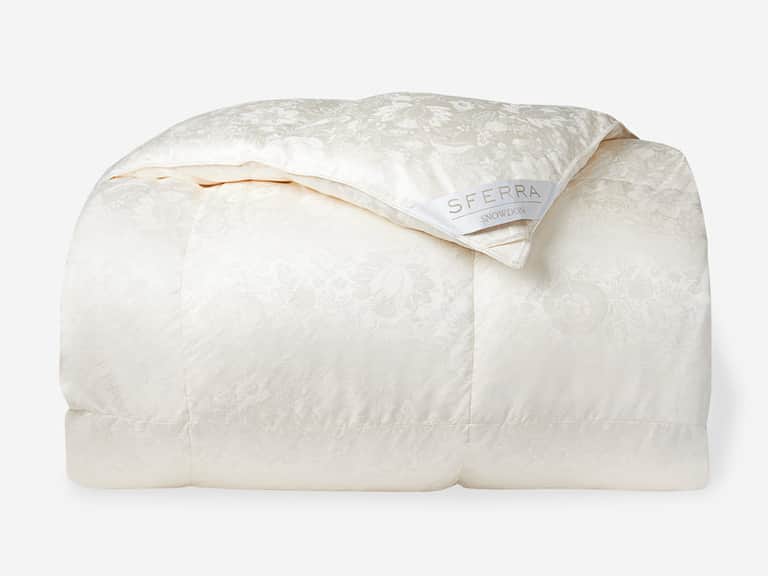
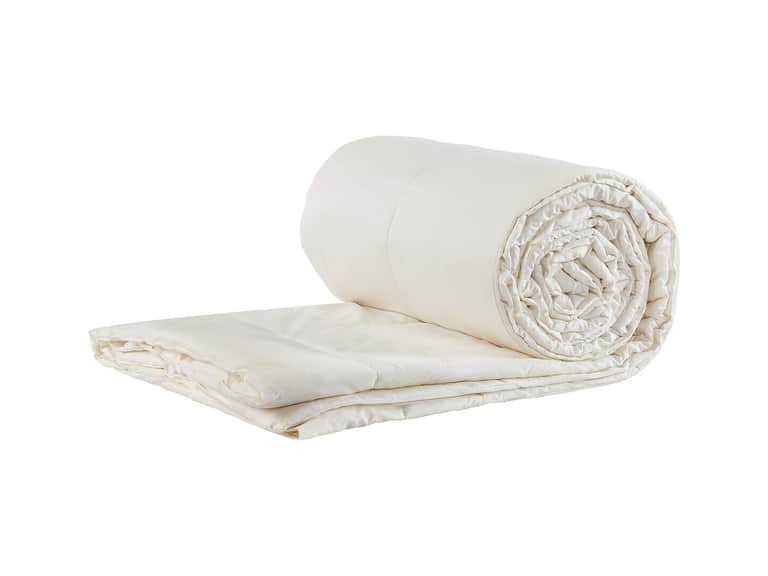
Comforters are padded bed coverings designed to provide warmth and insulation with a lightweight, woven shell and a soft, cushioned interior. They vary in fill material, warmth level, and size to accommodate different sleeping environments. Understanding how fabric type, fill power, and weight influence comfort helps match a comforter to seasonal needs and bedroom aesthetics.
In bedding considerations, the duvet-like construction of comforters offers an easy, machine-washable option for maintaining cleanliness and comfort. Key features include shell fabric such as cotton or microfiber, stitching patterns that prevent fill shifting, and hypoallergenic fills for sensitive sleepers. Proper care extends the lifespan and maintains loft over time.
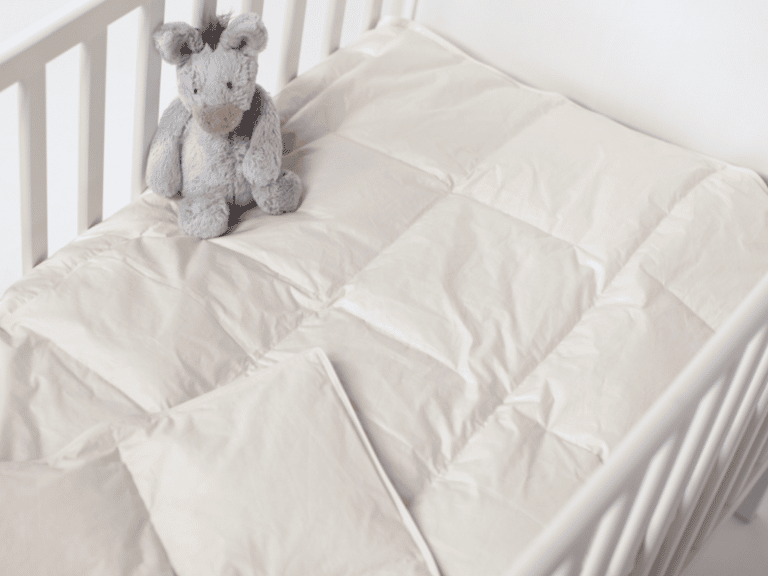
The Fiona Ultra- Lightweight Crib exemplifies compact design and safety-focused features suitable for infants. It provides a breathable, minimal profile that promotes temperature regulation and reduces the risk of overheating. Lightweight cribs prioritize ease of cleaning and quick laundering without sacrificing warmth during transitional seasons.
Material choices influence both texture and durability; cotton blends offer softness and breathability, while synthetic fills provide consistent warmth and resilience in varying climates. Consider factors like weave density, edge finishing, and baffle-box construction to evaluate even distribution of fill and reduced cold spots across the surface.
For versatile bedroom setups, comforters pair with various bedding ensembles, including sheets and platform bed frames, to create cohesive, functional spaces. Evaluating warmth ratings, ease of care, and size compatibility helps determine how a comforter complements existing furniture and supports restful sleep environments.
 Bedding