Comparing Organic Mattresses: Obasan vs. Sleep and Beyond
A thoughtful, design-forward look at two cradle-to-cradle contenders in the organic sleep space. A Time-style analysis that blends history, material science, and practical buying signals for eco-minded shoppers.
In an era when sleep quality, environmental responsibility, and durable craftsmanship intersect, the choice of a mattress matters more than ever. The brands Obasan and Sleep and Beyond sit at the intersection of organic textiles, natural fills, and stringent certifications. This article unfolds the differences and common ground between these two brands, offering a clean framework for readers who seek comfort without compromise.
1) Material and construction: what fuels the core differences
The backbone of any mattress comprises the cover, the core, and the inner fills. Obasan and Sleep and Beyond both foreground organic cotton and wool, but they translate those materials into distinct design philosophies and performance characteristics.
- Obasan leans into 100% GOTS-certified organic cotton for its primary fabric, coupled with wool fillings that provide natural temperature regulation. The combination yields a breathable, resilient sleep surface designed to balance comfort with hygiene. The cotton is usually woven with attention to stretch and fit, ensuring a smooth, stable top layer that can be paired with a range of sleep systems.
- Sleep and Beyond emphasizes natural materials with a broader potential layering approach. Their offerings often pair wool, cotton, and refined fills in a way that supports loft and contour, while maintaining a clear emphasis on sustainable sourcing and fair trade-like practices. The result is a surface that can feel both buoyant and enveloping, depending on the exact model and depth selection.
Breathability and heat management sit at the heart of performance for both brands. Wool’s natural moisture-wicking properties, paired with cotton’s air permeability, contribute to a sleep environment that resists heat buildup in warmer climates while offering warmth in cooler seasons. When evaluating mattresses, readers should look for fill density, loft stability, and how the cover interacts with the fill to influence feel over time.
2) Certifications and comfort standards: what to trust
Certifications translate material claims into measurable assurance. For organic mattresses, two domains matter: the organic textile standard and the ethical/sustainability signals embedded in the fill and construction.
- GOTS (Global Organic Textile Standard) is the benchmark for organic cotton products. A mattress or its cover that bears a GOTS certification signals that the cotton fibers were grown without harmful chemicals and that processing adhered to strict environmental criteria, including water treatment and energy use. This matters for allergen considerations and long-term hygiene in the sleep space.
- RDS (Responsible Down Standard) certification is referenced when down or down-like fills appear in a product. While Obasan’s core focus tends to be cotton and wool, readers should note that some collaborators or companion products may align with RDS-style assurances for any down-based components, ensuring animal welfare and responsible sourcing in the broader ecosystem.
- Additional third-party verifications—such as OEKO-TEX or similar—can further validate that fabrics and finishes avoid harmful substances. While not every model carries every certification, readers benefit from a transparent labelling approach that details material origins, processing steps, and care guidelines.
Beyond certifications, comfort standards are influenced by sleep position and temperature preferences. Hot sleepers tend to favor cooler surface textures and loft that remains airy over the night. Side sleepers may seek slightly more contouring to cradle shoulders and hips, while back sleepers might value a balanced, firmer feel that supports spinal alignment. The best practice is to connect your preferred feel with the material logic of the mattress: organic cotton and wool offer breathable foundations, but the final perception depends on loft, density, and cover construction.
3) Practical buying signals: price ranges, care, and sleeper profiles
When scanning the market for organic mattresses, the decision often boils down to a few practical signals: price range relative to features, care requirements that align with lifestyle, and who the product tends to serve best.
- Pricing bands for organic mattresses can vary widely depending on thickness, fill density, and the complexity of the cover. Obasan products typically emphasize a robust, natural-core composition with long-term durability, which may land in a premium tier. Sleep and Beyond often positions its offerings with a balance of premium materials and competitive pricing, reflecting a commitment to accessible luxury.
- Care and longevity—organic cotton and wool surfaces require thoughtful care, typically involving gentle washing or spot cleaning and occasional professional refreshes. Wool fillings benefit from air-out routines and minimal washing to preserve loft. A robust maintenance plan is often worth the upfront investment, extending the life of the mattress and preserving its ecological advantages.
- Who should consider these brands?—hot sleepers who want moisture-wicking performance and natural odor management; allergy-conscious shoppers seeking non-toxic products; readers who value sustainable supply chains and transparent labelling for long-term investments in their sleep environment.
4) A comparative snapshot: who benefits from each brand?
To distill the essence of Obasan and Sleep and Beyond, consider three archetypal sleepers:
- Time periods and design sensibility: the early modernist (1900s–1930s) would appreciate a mattress that embodies clean lines and honest materials. Obasan’s cotton-and-wool core aligns with the era’s ethos—durability, simplicity, and craft. The focus would be on a surface that feels grounded and reliable, with a cover that wears gracefully over decades.
- Mid-century practicality and rising eco-awareness (1950s–1980s) favored functionality with an eye toward growing environmental consciousness. Sleep and Beyond’s approach—layering natural fibers and emphasizing sustainable sourcing—fits this lineage while pushing into contemporary standards of transparency and performance.
- 21st-century wellness and customization (2000s–present) seeks tailored comfort, breathable fabrics, and clear certifications. Both brands serve this audience: Obasan through a strict organic cotton foundation and wool’s climate-regulating properties; Sleep and Beyond through adaptable loft and a customer-driven emphasis on eco-friendly materials and responsible production.
In practice, a customer choosing between Obasan and Sleep and Beyond should map their priorities: if the emphasis is on a rigorous organic cotton standard and a tractable, classic feel, Obasan provides a strong match. If the desire is for a broader platform that emphasizes sustainable sourcing with possible variation in loft and top-layer feel, Sleep and Beyond offers compelling options that complement a modern eco-conscious bedroom.
5) A curated product note: Dover Pillow as a companion to organic sleep systems
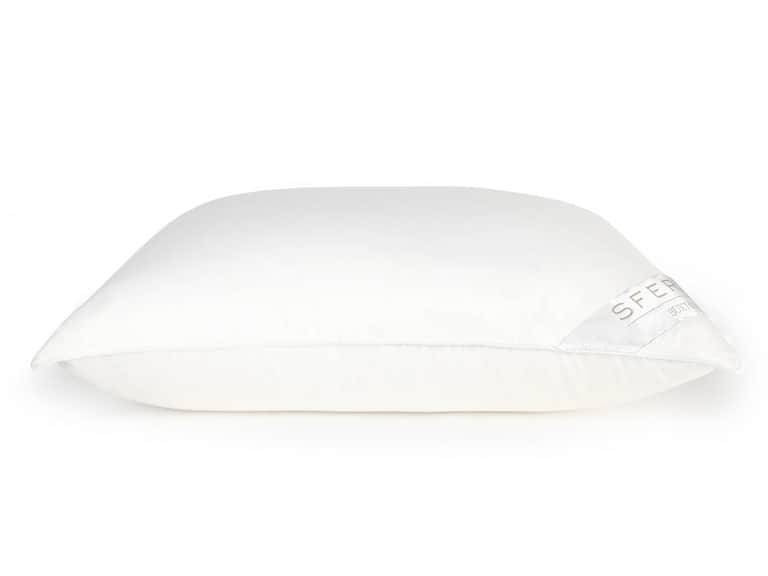
Within the natural sleep ecosystem, a pillow that complements an organic mattress can complete the sleep triad: surface, support, and comfort. The Dover Pillow from Sferra exemplifies the luxury end of this arrangement, pairing a 600+ fill power European white duck down with a 100% cotton ticking shell. It is certified by the Responsible Down Standard (RDS) and produced in the USA from imported materials. This pillow embodies the same values as the organic mattresses under discussion—quality materials, responsible sourcing, and a definitive emphasis on performance and longevity.
Dover Pillow (Sferra)
Core materials: European white duck down, 600+ fill power
Cover: 100% cotton ticking
Certifications: Responsible Down Standard (RDS)
Care: Machine wash cold, gentle cycle; no agitation; tumble dry low.
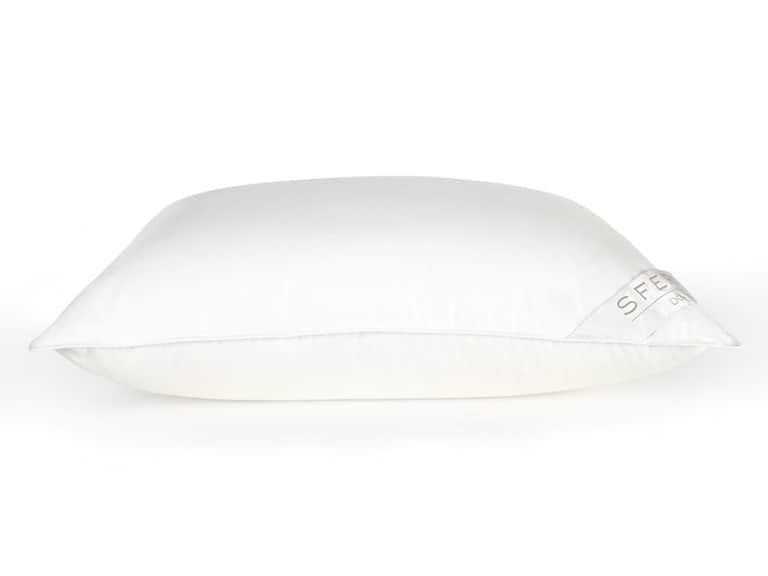
Why it matters: A high-loft, responsibly sourced pillow complements an organic mattress by maintaining consistent head and neck support without introducing chemical-laden finishes into the sleep space.
6) Brand voices through time: three key individuals who shaped how we sleep
From the early 20th century pioneers of interior comfort to contemporary sustainability advocates, these figures illustrate how our approach to sleep surfaces has evolved.
- Charlotte Perriand (1903–1999): A designer who championed modernist simplicity, Perriand’s advocacy for functional, human-centered spaces informs the idea that a bed should be both beautiful and useful. Her influence echoes in the clean lines and breathable materials seen in contemporary organic textiles—where design clarity meets practical comfort.
- William McDonough (b. 1938): A leading voice in sustainable design, McDonough’s philosophy of cradle-to-cradle thinking resonates with the organic mattress conversation. His emphasis on lifecycle analysis, responsible materials, and circular processes underpins why brands emphasize certifications like GOTS and RDS, seeking durability without ecological compromise.
- Elena Belyaeva (b. 1980s): A contemporary advocate for transparent textile sourcing and consumer education, Belyaeva represents the ongoing shift toward informed purchases. Her work highlights how modern shoppers expect brands to disclose supply chains, fiber origins, and care requirements—principles that sit at the heart of Obasan’s and Sleep and Beyond’s messaging.
These voices—spanning design, sustainability, and consumer advocacy—demonstrate how ideas about sleep surfaces have matured from mere comfort to a holistic practice of living better, more responsibly, through the products we choose to rest on.
7) Concluding thoughts: choosing with clarity
Organic mattresses represent more than a material choice; they signal a mindset toward health, environmental stewardship, and durability. Obasan and Sleep and Beyond each offer compelling visions of what sustainable slumber can feel like. The decisive question remains: which path aligns with your sleep philosophy, room aesthetic, and daily routine?
For readers prioritizing a rigorously organic cotton foundation and wool’s climate-smart benefits, Obasan offers a tradition-forward option. For shoppers seeking a broader range of lofts and a transparent, sustainability-forward philosophy that can adapt to varied room setups, Sleep and Beyond presents an appealing spectrum.
As you finalize your decision, consider pairing your mattress choice with a complementary pillow such as the Dover Pillow for a cohesive, eco-conscious sleep system. The right combination can elevate rest from a nightly routine to a restorative practice that echoes the timeless values of craft, care, and conscience.
This article reflects a synthesis of material science, design perspectives, and the evolving ethics of sleep products, calibrated for thoughtful consumers seeking durable, responsible comfort.