Foam mattresses are designed to contour to the body's shape, providing targeted support and pressure relief. They work by distributing weight evenly, reducing motion transfer, and promoting a stable sleep surface. Common foam types include memory foam and polyurethane foam, which vary in density to balance firmness, durability, and comfort for different sleep styles.
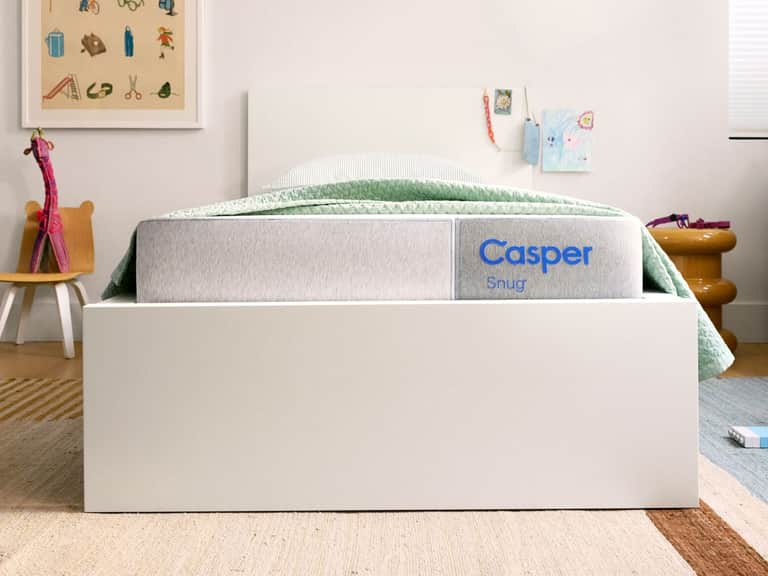
In this category, the Snug™ line exemplifies foam mattress construction with layered foams that combine conforming comfort and support. Features often include adaptive memory layers, breathable covers, and zoned support to align the spine while relieving points of pressure in shoulders, hips, and ankles for a restful night.
Foam mattresses are suitable for a range of bed frames and foundations, including platform bed frames, slatted bases, and robust foundations. They are lightweight to handle, easy to transport, and offer adaptable performance across room environments, including varying levels of humidity and temperature that can influence foam behavior.
Key considerations when evaluating foam mattresses involve density, thickness, and open- or closed-cell constructions. Higher density foams typically deliver longer-lasting support and reduce sagging, while multi-layer builds can incorporate top comfort foams with supportive cores for a balanced feel across different sleeping positions.
For practical use, foam mattresses like Snug™ provide compatibility with bedding essentials such as sheets, comforters, and other bedding accessories. Understanding core features, such as motion isolation, cooling properties, and edge support, helps in selecting a foam mattress that harmonizes with the broader bedroom environment and furniture choices.
 Mattresses