Mattress pads provide an additional layer of comfort and protection between the sleeper and the mattress, helping to extend mattress life and regulate microclimates. They can mitigate pressure points and reduce motion transfer, making them suitable for varying sleep preferences. This category includes pads designed for everyday use and for specialized needs such as organic materials and baby-safe options.
Key features to evaluate include fabric quality, fill type, and breathability. Natural fiber choices like cotton or bamboo blend with moisture-wicking properties to maintain a cooler, drier sleeping surface. Hypoallergenic options reduce irritants, while quilted constructions offer even weight distribution for improved spinal alignment.
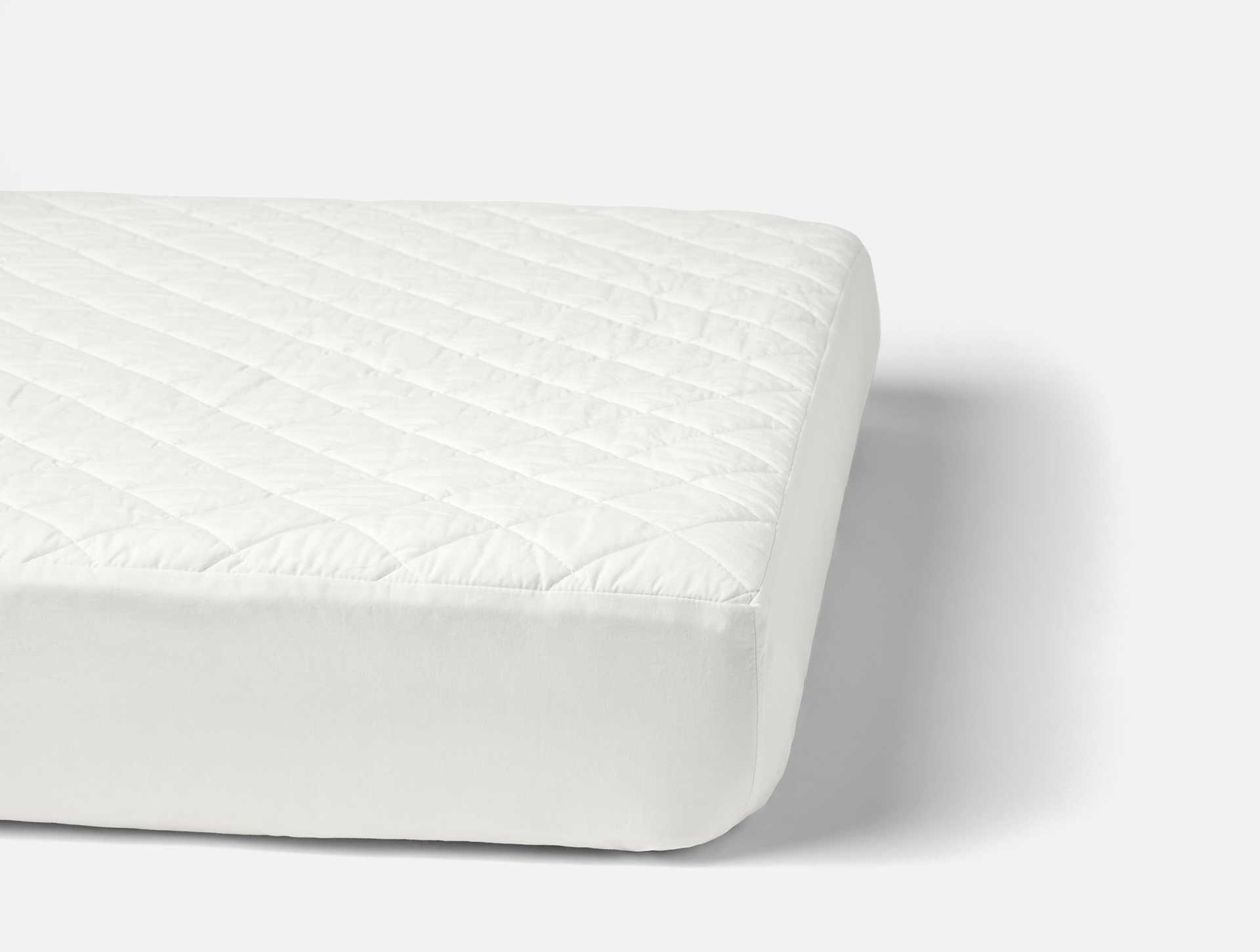
Organic options emphasize sustainability and skin-friendly fabrics, often certified for free-from pesticides and toxins. An Organic Crib Mattress Pad combines soft, breathable fabrics with a safe, cushioned barrier for infants, supporting gentle sleep environments. These pads typically feature waterproof or washable barriers to manage spills and bodily fluids.
Functional benefits include stain resistance, easy-care machine washability, and durability under repeated use. Mattress pads with fitted or elasticized skirts stay in place, preventing shifting during the night. For crib applications, pads must be washable, with seams and waterproof layers designed to withstand frequent laundering.
In the context of bedding ecosystems, mattress pads intersect with pillows, sheets, and organic mattresses to form a cohesive sleep surface. Understanding materials, certifications, and care considerations helps caregivers select products that promote comfort, hygiene, and safety for adults and infants alike.
 Bedding